When you hear that first bass thump, that steady kick on the one, and the horn stabs that demand your attention—you know you’re listening to funk. But where did this groove come from, and how did it grow into one of the most influential sounds in modern music? Let’s take it back to the beginning.
The Godfather of Funk
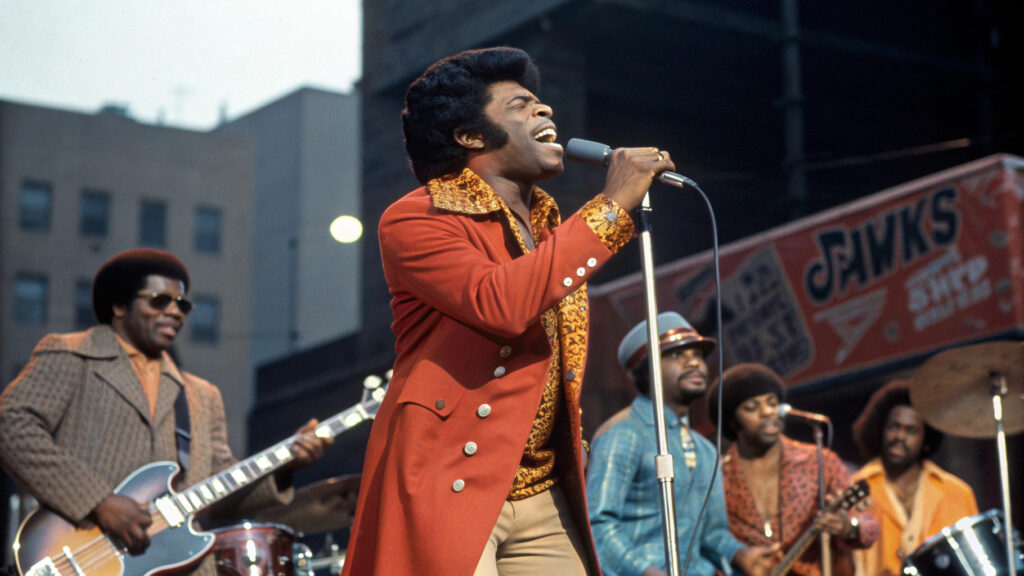
Most music historians point to James Brown as the spark that lit the funk fire. In the late 1960s, Brown began shifting away from traditional soul structures, breaking songs down to their rawest parts: rhythm and groove. His track “Papa’s Got a Brand New Bag” (1965) is often credited as one of the first funk hits.
Brown emphasized what he called “the one”—placing heavy focus on the downbeat. This gave funk its signature tightness and danceable energy. Instead of melodic flourishes, funk became about rhythm, syncopation, and space.
The Pioneers Who Carried the Groove
After James Brown, other artists helped expand and define the funk sound:
Sly and the Family Stone brought a mix of funk, soul, and psychedelic rock, delivering classics like “Thank You (Falettinme Be Mice Elf Agin).”
The Meters out of New Orleans added their own swampy, syncopated style with tracks like “Cissy Strut.”
And of course, George Clinton with Parliament-Funkadelic took funk to the cosmos, combining wild costumes, mind-bending concepts, and some of the deepest grooves ever recorded (“Flash Light,” “Give Up the Funk”).
More Than Just Music
Funk was more than a new sound—it was a cultural movement. In the midst of social change and the civil rights era, funk became a celebration of Black identity, pride, and creativity. The grooves weren’t just made for dancing—they were made for uniting communities, giving people a voice, and pushing music into uncharted territory.
The Groove Lives On
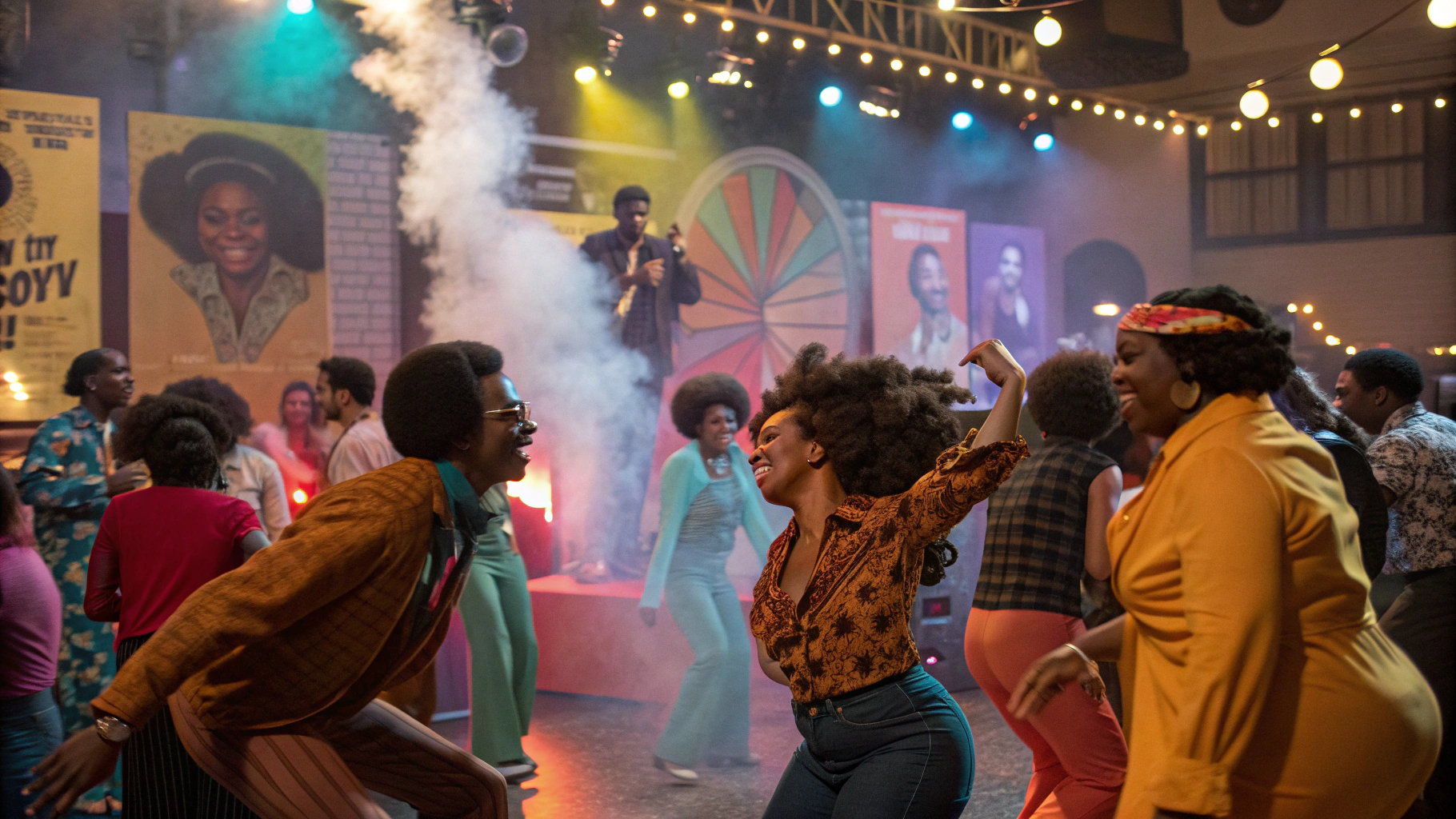
What started in small clubs and on sweaty dancefloors spread worldwide. By the early ’70s, funk was everywhere—from the radio to movie soundtracks to block parties. And its influence didn’t stop there—it laid the foundation for hip-hop, inspired disco, and continues to echo in today’s pop and R&B hits.
At P-Funk Radio, we’re proud to carry this legacy forward—streaming the classics, the deep cuts, and the new voices who keep the funk flame alive. Because one thing’s for sure: the funk will never die.
👉 Next up in The Funk Chronicles: Funk’s Influence – From Hip-Hop to Pop.
 Tune in now at P-Funk Radio – your home for funk’s past, present, and future.